Lower Manaslu Trekking


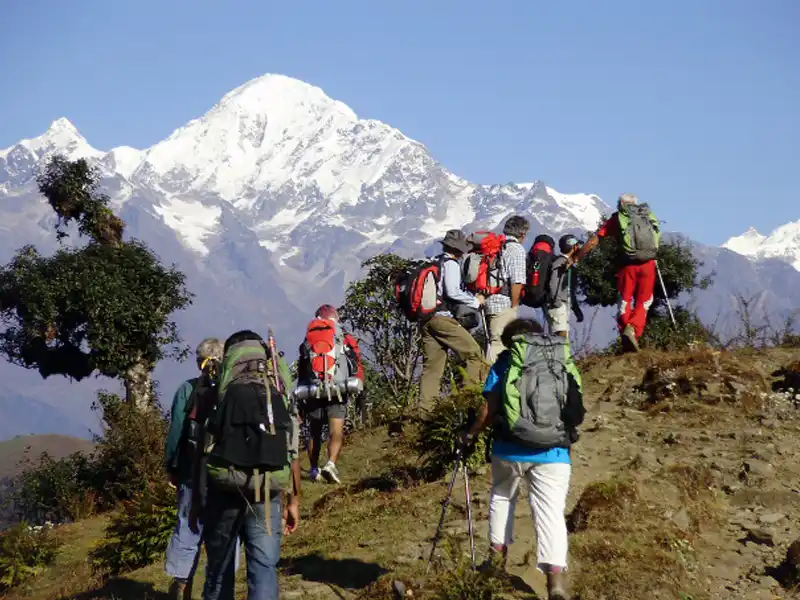
The Lower Manaslu Trek is the ideal Himalayan trek for travelers who are looking for breathtaking mountain scenery without having to ascend to extremely high altitudes. As it treks through traditional Gurung villages that are abundant in heritage and local traditions, it provides visitors with breathtaking panoramic views, tranquil landscapes, and an authentic cultural experience. People who are interested in experiencing both the natural beauty and the cultural immersion that Nepal's central Himalayas have to offer will find this journey to be ideal.


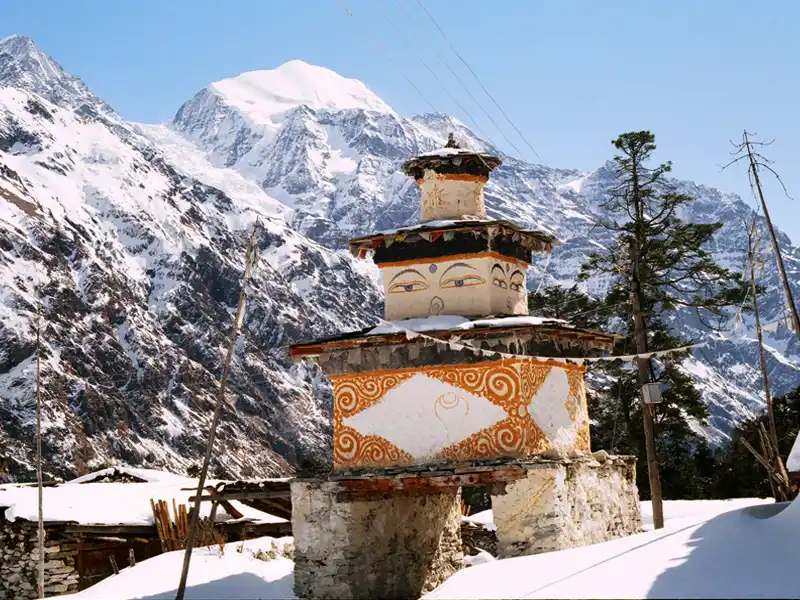
The Lower Manaslu Trek is known for its in-depth exploration of culture. The trek winds through beautiful towns, giving trekkers a chance to talk to friendly locals and learn about their unique ways of life and traditions. There are old monasteries along the way that are examples of Buddhist traditions that go back hundreds of years. Gorkha, a renowned historical site, is believed to be the birthplace of modern Nepal and plays a vital role in the country's history.


On the Lower Manaslu Trek, trekkers can visit Barpak, a village awarded the Victoria Cross and significantly affected by the 2015 earthquake. This village exemplifies the tenacity and resolve of the local community. Laprak village is another significant destination. The village is renowned for yielding numerous Everest summiteers, indicative of its robust mountaineering culture and heritage.


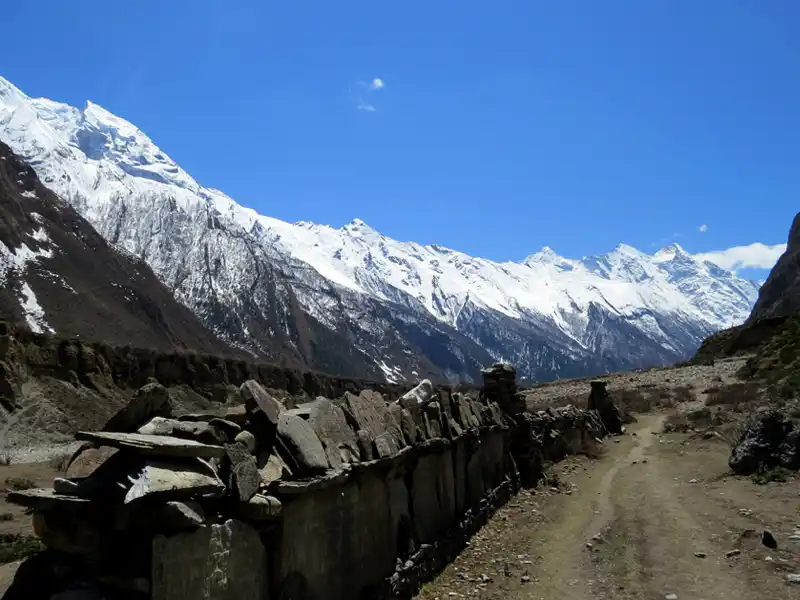
The climb to Dharche Danda, which is 3,200 meters above sea level, is one of the most memorable parts of the trip. From this perspective, you can see stunning panoramic views of the Himalayan ranges, such as the Annapurna range, Boudha Himal, Sringi Himal, Ganesh Himal, and Langtang Himal. From this perspective, you can see the area around you in one of the most satisfying ways.


The Lower Manaslu Trek is consistently recognized as one of the most rewarding mid-altitude trekking experiences in Nepal, owing to its unique blend of peaceful village life, rich cultural encounters, historic landmarks, and breathtaking Himalayan landscapes.

Lower Manaslu Trek Highlights

  • Cultural Immersion: Experience the vibrant culture of the Lower Manaslu region by trekking through charming villages and connecting with welcoming locals, allowing you to learn about their traditions and lifestyles.
  • Historical Exploration: Discover the birthplace of modern Nepal in the historically rich city of Gorkha and follow the trail past ancient monasteries that tell stories from centuries past, bringing the area's historical importance to life.
  • Resilience of Barpak: Barpak, a village recognized with the Victoria Cross, showcases its resilience and reveals its spirit in the aftermath of the 2015 earthquakes, offering a distinct perspective on the community's strength.
  • Triumphs of Laprak: Visit Laprak, a village celebrated for its many Everest summiteers, highlighting the achievements of the local mountaineering community and offering a glimpse into their extraordinary successes.
  • Scenic Beauty: Enjoy breathtaking landscapes, with lush greenery lining the trail and sweeping views of famous mountain ranges, including Boudha Himal, Sringi Himal, Ganesh Himal, Langtang Himal, and the Annapurna ranges, from the trek's highest point at Dharache Dada (3,200 meters). 
  • Holistic Experience: The Lower Manaslu Trek provides a comprehensive journey, beautifully merging the majesty of nature with the cultural depth found in the heart of the Himalayas.

Trip Itinerary

Day 01: Arrive in Kathmandu

Upon your arrival in Kathmandu, Nepal, a friendly representative from Manaslu Trek will greet you at the airport and escort you to your hotel. This marks the beginning of your Lower Manaslu Trek adventure, offering a smooth and comfortable start to your journey in the Himalayan region.

In the evening, we host a special welcome dinner featuring authentic Nepalese cuisine, accompanied by a refreshing reception drink. This welcome evening also provides an opportunity to meet your fellow trekkers, discuss the Lower Manaslu Trek itinerary, and receive essential tips for trekking in the Himalayas, including acclimatization, packing, and safety advice. Starting your journey in Kathmandu allows you to ease into the adventure while enjoying the city’s vibrant culture and setting the stage for your unforgettable Himalayan trekking experience.

Transfer: 30-45 min | Accommodation: Hotel | Meal: Welcome Dinner

Day 02: Full day City Tour in Kathmandu Valley

Today, explore the rich culture, history, and heritage of Kathmandu Valley on this full-day city tour before your Lower Manaslu Trek. The tour takes you to some of Kathmandu's most famous UNESCO World Heritage Sites, offering a perfect introduction to Nepalese art, architecture, and traditions with our professional English-speaking City Tour Guide:

  • SWOYAMBHUNATH , also known as the Monkey Temple, is one of Kathmandu Valley’s most iconic Buddhist stupas. Perched on a hilltop, it offers panoramic views of Kathmandu city and features ancient shrines, prayer wheels, and intricate carvings. The site is a spiritual and cultural landmark, attracting both pilgrims and tourists.
  • KATHMANDU DURBAR SQUARE is a UNESCO World Heritage Site and the historic heart of Kathmandu City. Known for its ancient palaces, temples, courtyards, and intricate wood carvings, it reflects Nepalese art, culture, and architecture. A visit to this iconic square offers a glimpse into the royal history of Nepal.
  • BOUDHANATH STUPA is one of the largest and most important Buddhist stupas in Nepal and a UNESCO World Heritage Site. Known for its massive white dome, colorful prayer flags, and iconic Buddha eyes, it serves as a major center for Tibetan Buddhism. Visiting Boudhanath provides an immersive cultural and spiritual experience.
  • PASHUPATINATH is one of Nepal’s most sacred Hindu temples, dedicated to Lord Shiva and located on the banks of the Bagmati River in Kathmandu. Famous for its intricate pagoda-style architecture, cremation ghats, and spiritual rituals, it offers visitors a deep cultural and religious experience.

Our knowledgeable guide will tell you interesting things about the religious, historical, and architectural importance of each landmark. Kathmandu is a unique city with a rich culture and a spiritual atmosphere that will make your city tour an interesting and memorable way to learn about Nepalese heritage.

Sightseeing: 7-8 Hours | Accommodation: Hotel | Meal: Breakfast

Day 03: By Private Transportation: Kathmandu - Gorkha (1,135m/140km)

After breakfast in Kathmandu, take a scenic drive of about 144 km to Gorkha Bazaar, which usually takes 5 to 7 hours by private vehicle, depending on traffic. The journey follows the Prithvi Highway, passing towns like Naubise, Malekhu, and Mugling, and running along the sparkling Trishuli River. At Malekhu, stop for a fresh cup of tea, coffee, and light food and watch whitewater rafters on the riverbanks—a classic roadside experience. From Abu Khaireni, leave the main highway toward Pokhara and climb the last 24 km uphill through terraced farmland, forests, and traditional Newari and Magar villages, gradually entering the cooler mountain region. Upon arrival in Gorkha Bazaar, check in at your hotel and enjoy a refreshing cup of tea or coffee to recharge before the afternoon climb.

In the late afternoon, hike up to Gorkha Durbar, the ancestral palace of the Shah dynasty and birthplace of King Prithvi Narayan Shah. The climb involves approximately 1,500 stone steps, shaded by ancient trees and lined with small shrines. The Durbar is a beautiful example of Newari architecture, with intricate wood carvings, red-brick walls, and a mix of fort, palace, and temple. Visit the sacred Kalika Temple and Gorakhnath Cave, where the sage once guided the young king. As the sun sets, enjoy panoramic views of Boudha Himal, Himalchuli, Langtang, and the Annapurna range, with the Daraundi River winding below and the bazaar lights sparkling.

Transfer: 140km, 5-6 Hours |  Accommodation: Hotel l Meal: Breakfast, Lunch, Dinner

Day 04: By private vehicle: Gorkha to Bhachek (1900m, 7hrs). Trek to Namki Dada 30min.

After breakfast in Gorkha Bazaar, the drive begins with a descent to Laxmi Bazar, the last small town before the landscape becomes more rural. The road continues to 12 Kilo, a key junction near the Daraudi River where travelers often take a short break before the terrain starts to rise again. From there, the route passes through Chebetar, an agricultural area with rice fields, riverside settlements, and a humid valley atmosphere. The drive then becomes more scenic as it ascends through Srinathkot, a village surrounded by terraced hills, before reaching Bhachek, a lively hilltop town and a popular stop for meals and rest in the cooler highlands. From Bhachek, the journey continues toward Namki Dada along rugged dirt roads and ridgelines, offering wider views of the Manaslu and Buddha Himal ranges. At 1,780 meters, Namki Dada provides peaceful surroundings and stunning Himalayan panoramas near the Barpak and Laprak regions. From Bhachek, the trek also begins gradually, passing through lush forests and open hillsides with beautiful views of the Daraundi Valley, creating a quiet and refreshing experience surrounded by nature.

Transfer: 50 km, 3-4 hours |  Accommodation: Homestay l Meals: Breakfast, Lunch, Dinner

Day 05: Namki Dada to Ghyachowk (1,710m)

After breakfast in Namki Dada, the trek starts with a beautiful sunrise view over the Manaslu Range to the west and the Daraundi Valley to the east, followed by a gentle walk along the ridge with wide 360-degree views of the surrounding valleys. The trail then gradually descends through rhododendron and oak forests toward Simjung, where the landscape becomes greener and more peaceful, especially in spring when the hills are covered with red and pink flowers. Simjung is a large traditional Gurung village with stone houses and slate roofs, where you can see local life such as basket weaving and farming, making it a good stop for a tea break. The trail continues toward Ghyachowk, crossing small streams, terraced hillsides, and traditional chautaris where locals rest under banyan and peepal trees, while also offering glimpses of the deep Daraundi River valley. As the trail opens onto a wide plateau, you finally arrive at Ghyachowk, a lively village known for its mix of traditional culture and post-earthquake reconstruction, offering a strong sense of local life and resilience, with beautiful views of seasonal crops like green paddy or golden millet and opportunities to interact with local farmers and schoolchildren along the way.

Distance: 10 km |  Trekking: 4-5 Hours |  Altitude Gain: 400 m | Altitude Loss: 470 m | Accommodation: Homestay l Meals: Breakfast, Lunch, Dinner

Day 06: Ghyachowk to Barpak (1950m, 5hrs)

After breakfast in Ghyachowk, the trek begins with a steady descent through terraced fields of millet and mustard, using stone steps built by local people. As you go down, you reach Dhansera, a warmer and quieter area with small scattered hamlets that connect the higher ridges with the Daraudi River valley. From Dhansera, the trail continues down toward the river before slowly climbing up toward Chisang, crossing small streams and suspension bridges depending on the season, with stronger rivers during monsoon and clearer waters in the dry months. Chisang is a small and peaceful village, perfect for a short break or lunch, where you can enjoy simple local hospitality away from busy trekking routes. After this, the hardest part of the day begins as you climb steeply from the valley floor toward Barpak, walking long stone steps through forests and grazing areas while enjoying wide views back over the valley. Finally, you reach Barpak (1,900m), a large hillside village shaped like an amphitheater with closely packed houses and colorful roofs, known for its rich Gurung and Ghale culture and many Gurkha families. On clear days, you can see beautiful views of Ganesh Himal and Sringi Himal and also visit the Earthquake Memorial Park, which remembers the lives lost in the 2015 earthquake and shows the village’s strength and rebuilding journey.

Distance: 14 km |  Trekking: 7-8 Hours |  Altitude Gain: 850 m | Altitude Loss: 530 m | Accommodation: Lodge l Meals: Breakfast, Lunch, Dinner

Day 07: Barpak to Humche (2,903m)

After breakfast in Barpak, the trek starts by walking through stone-paved alleys and passing earthquake memorials before joining a steep uphill trail through grazing lands, where locals are often seen carrying fodder and children walking to school. The climb toward Momche Dada is the most challenging part of the day, as the trail passes through rhododendron, oak, and pine forests, which are especially beautiful in spring when the forest is covered with red flowers. This area is also rich in birdlife, including the Danphe, Nepal’s national bird. At Momche Dada, you are rewarded with stunning views of Boudha Himal, Shringi Himal, and Mt. Manaslu to the north, while the deep Daraundi River valley lies to the south. From here, the trail follows the ridgeline for a short distance before descending steeply through forest and terraced hillsides, requiring careful walking, especially in tall grass after the monsoon. The landscape slowly changes from alpine ridge to farmland as you reach Humche, a small settlement with stone houses and wooden balconies. As you arrive, you are rewarded with beautiful panoramic views of Baudha Himal, Shringi Himal, and the Ganesh Himal range. This area is also famous for its sunset views, where golden light reflects over the Daraundi River valley and the snow-covered peaks.

Distance: 10 km |  Trekking: 6-8 Hours |  Altitude Gain: 1,340 m | Altitude Loss: 160 m | Accommodation: Tent l Meals: Breakfast, Lunch, Dinner

Day 08: Humche to Tiling Kharka (3,400 m)

After breakfast in Humche, the trail climbs steadily through quiet forests of rhododendron and pine, making the walk peaceful and refreshing. As you go higher, the forest slowly opens into wide grassy areas called “Kharkas,” where local Gurung and Magar herders bring their livestock to graze. Tiling Kharka is a perfect place to rest and enjoy the surroundings, offering close and clear views of Boudha Himal, Himalchuli, and the Manaslu range. This part of the trek is less crowded and gives a real off-the-beaten-path experience, with a moderate climb and beautiful highland scenery of the Lower Manaslu region.

Day 09: Tiling Kharka to Rupchi Tal (3,100m)

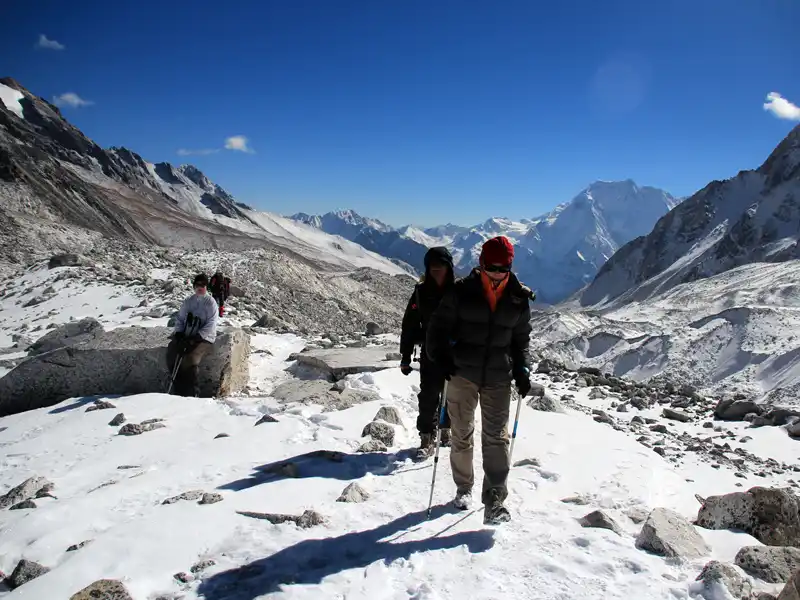
After breakfast, the day begins with a steep climb from Tiling Kharka along a narrow ridge, offering beautiful views of the Budhi Gandaki valley below and the snowy peaks of Baudha and Shringi Himal ahead. As you gain height, the green pastures gradually turn into rocky terrain with small shrubs, and around 3,300 meters, you pass the last trees and enter a quiet, open high-altitude landscape. The trail then becomes more challenging, with steep and rocky sections that require careful walking, especially on loose stones. After a few hours of steady effort, the path levels out and leads to Rupchi Tal—a stunning blue glacial lake surrounded by rugged mountains, where the clear water reflects the peaks and prayer-flag-covered stone cairns create a peaceful, spiritual atmosphere. This trek from Tiling Kharka to Rupchi Tal is a hidden gem of the Lower Manaslu region, offering a moderate to challenging journey through tranquil alpine scenery, with chances to see wildlife, enjoy panoramic mountain views, and experience the untouched natural beauty of the Himalayas.

Day 10: Rupchi Tal to Malung (3,000m)

After breakfast, the day begins with a steep climb from Tiling Kharka along a narrow ridge, offering beautiful views of the Budhi Gandaki valley below and the snowy peaks of Baudha and Shringi Himal ahead. As you gain height, the green pastures gradually turn into rocky terrain with small shrubs, and around 3,300 meters, you pass the last trees and enter a quiet, open high-altitude landscape. The trail then becomes more challenging, with steep and rocky sections that require careful walking, especially on loose stones. After a few hours of steady effort, the path levels out and leads to Rupchi Tal—a stunning blue glacial lake surrounded by rugged mountains, where the clear water reflects the peaks and prayer-flag-covered stone cairns create a peaceful, spiritual atmosphere. This trek from Tiling Kharka to Rupchi Tal is a hidden gem of the Lower Manaslu region, offering a moderate to challenging journey through tranquil alpine scenery, with chances to see wildlife, enjoy panoramic mountain views, and experience the untouched natural beauty of the Himalayas.

Day 11: Malung to Rukang (3,214m)

After breakfast in Malung, the day starts with a steady climb through terraced fields and traditional villages, where locals grow crops like buckwheat and potatoes, and stone houses reflect the simple rural lifestyle. As you go higher, the trail enters peaceful forests of Himalayan blue pine and oak, with soft leaf-covered paths and chances to see birds and wildlife along the way. Gradually, the route reaches a long, narrow ridge where the landscape opens on both sides, revealing deep valleys and distant snow-capped peaks of the Manaslu and Ganesh Himal ranges. This ridge walk, locally known as a “danda,” is the highlight of the day, giving the feeling of walking along the sky. Finally, you reach Rukang Danda, a beautiful hilltop viewpoint with 360-degree panoramic views of the Budhi Gandaki valley and peaks like Srighi Himal, Boudha Himal, and the Ganesh Himal range. This moderate 5–6 hour trek from Malung to Rukang Danda is a scenic and culturally rich journey through the peaceful landscapes of the Lower Manaslu region, combining natural beauty, village life, and stunning Himalayan views.

Day 12: Rukang to Singla (2,200m, 2hrs). Trek to Laprak (2,100m, 3hrs)

Day 13: Laprak to Nambai Kharka (2500m, 4hrs)

Day 14: Nambai Kharka to Tallo Thotneri (7hrs)

Day 15: Tallo Thotneri to Gyampesal (6hrs)

Day 16: Drive back to Kathmandu

Day 17: Free day in Kathmandu for self-shopping and self-visit.

Day 18: Transfer to Kathmandu International airport for departure

Cost & Dates

The cost mentioned on our website for the Lower Manaslu Trek applies to groups of 6–12 people. However, private trips for groups of two or more can be organized upon request. A group booking of 12 or more people can offer a maximum discount with one free trip. Clients' travel date preferences can be accommodated, but the trek cost depends on group size, duration, accommodation type, and additional activities or services.

  • Group Size: The cost of the trip will depend on the size of the group.
  • Hotel Accommodation Category and Client's Budget: The cost may also vary based on the accommodation category and budget preference of the client.
  • Itinerary Modification: Our trekking itinerary can be modified according to your time and requirements, and the cost will be adjusted accordingly.
  • Additional Services: If you require additional services, the cost will be adjusted accordingly based on mutual understanding.
  • Trekking Staff: The cost is also affected by the number of Trekking Guides, Assistant Guides, and extra porters required for the trip.
Please don't hesitate to reach out to us with any questions or to book your trip.

Cost Includes:

  • Airport pick-up and drop services in private transportation before and after the trek.
  • 4 Nights 3-Star Accommodation in Kathmandu at Twin Sharing a Room on a BB Plan.
  • City Cultural Tour in Kathmandu with City Tour Guide and all the entrance and monument fees.
  • Transportation: Kathmandu - Bhachek, and Gyampesal - Kathmandu with Nepalese cress.
  • Camping arrangement on full board with Breakfast, Lunch, and Dinner during Lower Manaslu Trek.
  • Twin sharing tented accommodation and necessary camping equipment and Kitchen equipment i.e, Mattress, Toilet tent, shower, Dining tent, dining tables, chairs, etc..
  • Experienced English-speaking Trekking Guide, Assistant Guide for over six people, cook, Assistant cook or helper, and Porters (2:1) including their daily allowance, meal and accommodation.
  • Accidental and medical insurance for Nepalese team.
  • Necessary documentation, all government taxes, and agency service charge.
.

Trip FAQ

Q: Where is the Lower Manaslu Trek located?

A: The Lower Manaslu Trek is located in the Gorkha district of Nepal.


Q: How long is the Lower Manaslu Trek?

A: The trek usually takes around 10-18 days to complete.


Q: What is the difficulty level of the Lower Manaslu Trek?

A: The trek is considered moderately difficult.


Q: What is the best time to go for the Lower Manaslu Trek?

A: The best time to go for the trek is during the months of October to December and March to May.


Q: What is the highest point of the Lower Manaslu Trek?

A: The highest point of the trek is the Rukang at an altitude of 3,214 meters.


Q: What are some of the highlights of the Lower Manaslu Trek?

A: The trek offers stunning views of the Himalayas, including the Manaslu and Annapurna ranges, as well as opportunities to experience the local culture and traditions of the people in the region.


Q: What permits are required for the Lower Manaslu Trek?

A: A TIMS card is required for the trek.


Q: Is it necessary to hire a guide for the Lower Manaslu Trek?

A: While it is not mandatory to hire a guide, it is recommended, as it can enhance your safety and overall trekking experience.


Q: What kind of accommodation is available during the trek?

A: Basic tea houses and lodges are available along the trail, providing simple accommodation and meals.

Most Popular

Manaslu Trekking Tours

Manaslu Circuit Trek
19 Days

The Manaslu Circuit Trek is a beautiful and remote trip around Mount Manaslu (8,163 m), the eighth highest mountain in the world. It has the perfect mix ...

Discover More
Tsum Valley Trek
19 Days

The Tsum Valley Trek is a unique and off-the-beaten-path trekking experience in Nepal’s Manaslu region, known for its rich Tibetan Buddhist culture, ...

Discover More
Lower Manaslu Trek
18 Days

The Lower Manaslu Trek is a beautiful and culturally rich trip in Nepal that lets you see the Himalayas without going too high. This unusual trek takes ...

Discover More
Manaslu Four High Passes Trek
28 Days

The Manaslu Four High Passes Trek is an adventurous, off-the-beaten-path trek in the Himalayas which circumnavigates the remote Manaslu region crossing ...

Discover More